- 111 Preamble Ct., Anderson, SC-29621
- 855-HAVELLS (4283557)
- salesusa@havells.com

Lighting Technology
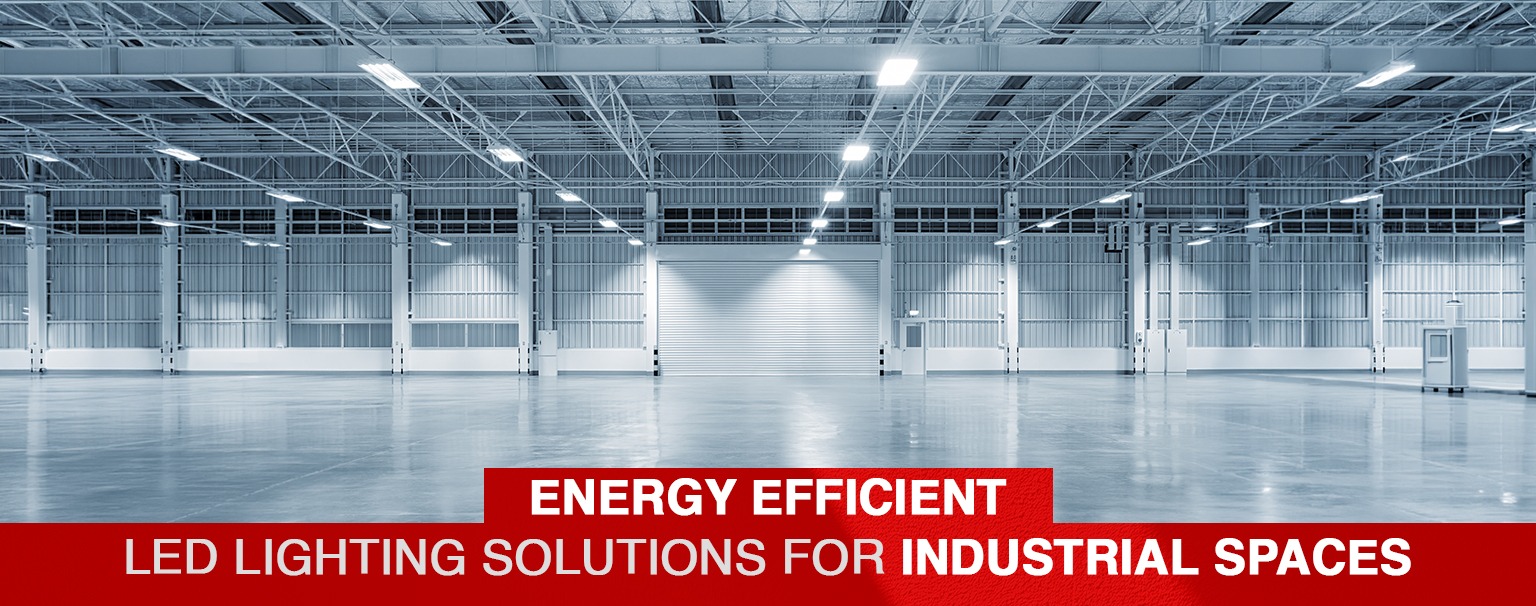
Energy Efficient LED Lighting Solutions for Industrial Spaces: A Complete Guide
- Havells Lighting
- No Comments
Industrial spaces demand strong, reliable lighting. Warehouses, factories, and large facilities depend on consistent illumination for smooth operations. Proper lighting improves visibility and helps workers stay safe and productive. Many facilities still rely on outdated systems that consume excessive power and deliver uneven light. This approach increases costs and reduces efficiency. Modern businesses now shift toward Energy Efficient LED Lighting Solutions to solve these challenges. Why Energy Efficiency Matters in Industrial Lighting Industrial lighting runs for long hours every day. This constant usage leads to high electricity bills when inefficient systems are in place. Switching to energy-efficient LED Lighting reduces power consumption without compromising brightness. Energy efficiency also reduces heat output. Traditional lights generate excess heat that affects indoor conditions and increase cooling demands. LED systems stay cooler, helping create a more comfortable work environment. Maintenance is another key role. Older lighting systems require frequent replacements, leading to downtime and higher labor costs. LED fixtures last longer and reduce the need for regular servicing. Sustainability now shapes business decisions. Companies aim to reduce their carbon footprint, and energy efficient lighting supports these goals by lowering energy demand. It also aligns with modern compliance standards and environmental practices. Types of LED Lighting Solutions for Industrial Applications Industrial environments require different lighting solutions based on layout and usage. Each type of fixture serves a specific purpose and ensures proper illumination across the space. Linear Highbay A linear highbay works well in facilities with structured layouts. Warehouses and assembly lines benefit from its elongated design. This design spreads light evenly across aisles and workstations. The Havells Flexi Linear Highbay stands out as a versatile option. It allows users to adjust wattage, color temperature, and beam angle. This flexibility ensures that each area receives the right level of illumination. The fixture delivers up to 48,000 lumens with high efficacy. It supports dimming, which helps control energy use based on need. It also operates in temperatures ranging from minus forty degrees to fifty degrees Celsius. This range ensures reliable performance in demanding environments. A linear highbay supports uniform lighting. It reduces shadows and improves visibility in narrow spaces. This makes it a strong choice for organized industrial setups. Round High Bay LED Light A Round High Bay LED Light suits open areas with high ceilings. It distributes light in a circular pattern and covers a wider space. This makes it ideal for large manufacturing units and storage facilities. The Flexi Round Highbay offers high performance and adaptability. It provides selectable wattage, color temperature, and beam angle. This allows users to tailor the lighting based on the layout of the facility. The fixture produces up to 48,000 lumens with efficient energy use. It also supports dimming for better control. Like the linear version, it performs well in extreme temperatures from minus forty to fifty degrees Celsius. A round highbay ensures balanced light distribution. It covers large areas without leaving dark spots. This helps maintain consistent brightness across open industrial floors. Vapor Tight Light Vapor-tight lights serve areas exposed to dust, moisture, or harsh conditions. These environments include parking structures, food processing units, and industrial corridors. The Endura Pro LED Batten Light provides durability and consistent performance. It delivers strong illumination while maintaining energy efficiency. The fixture supports adjustable output and color temperature for better control. It operates across a wide temperature range. This ensures reliable use in challenging environments. The sealed design protects internal components from external elements. Vapor-tight lighting ensures safety in sensitive areas. It provides stable illumination where standard fixtures may fail. This makes it an essential part of industrial lighting systems. Transform your facility with smarter, energy-efficient lighting. Request a consultation today and discover the ideal LED solution for your space. Key Benefits of LED Lighting in Industrial Spaces Energy Savings LED lighting significantly reduces power consumption, helping facilities lower electricity bills and improve overall cost efficiency. Long Lifespan LED fixtures operate for many years without frequent replacements, reducing maintenance requirements and minimizing downtime. Improved Visibility High-quality LED light enhances clarity. Workers can perform tasks with better accuracy and focus. Reduced Heat Output LED systems produce less heat compared to traditional lights. This improves indoor conditions and reduces cooling needs. Flexible Lighting Control Many LED fixtures support dimming and adjustable settings. This allows facilities to adapt lighting based on activity levels. Sustainability Support Energy-efficient lighting reduces environmental impact. It helps businesses meet sustainability goals and compliance standards. Conclusion Industrial lighting plays a key role in safety and productivity. Choosing the right system ensures consistent performance across large spaces. Energy Efficient LED Lighting Solutions provide the perfect balance of efficiency and reliability. These systems reduce energy use while improving light quality. They also lower maintenance needs and support long-term cost savings. Selecting the right fixture for each application remains essential. A linear highbay works best for structured layouts. A round high bay suits open spaces. Vapor-tight lights handle demanding environments. Adopting energy-efficient lighting creates lasting value for industrial operations. It improves performance, reduces costs, and supports a sustainable future. FAQs What makes LED lighting energy efficient for industrial use LED lights use less power while delivering high brightness and a long lifespan. Where should linear highbay lights be used They work best in warehouses and aisles with structured layouts. Why choose a round highbay for industrial spaces It provides wide and uniform light coverage for open areas. Are vapor-tight lights suitable for harsh environments Yes, they protect against dust and moisture and ensure reliable performance. Do LED lights reduce maintenance costs Yes, they last longer and require fewer replacements over time.
IP Ratings: The Basics Every Buyer Should Know
- Havells Lighting
- No Comments
Lighting and electrical equipment face constant exposure to dust, water, and outdoor conditions. Without the right protection, performance drops and failures increase. This is where IP Ratings come in. They serve as a universal standard that shows how well a product resists solids and liquids. From streetlights to industrial fixtures, understanding this rating helps you choose the right product for the environment. What is an IP Rating? Ingress Protection Ratings measure how resistant a device is to dust and moisture. The standard was created by the International Electrotechnical Commission (IEC) under IEC 60529. You can think of it as a scorecard that tells you how secure the enclosure of a product is. Every rating uses the format “IP” followed by two numbers. These numbers give you a quick and reliable way to judge whether the product will perform well indoors, outdoors, or in harsher settings. Breaking Down the Code An IP code has two digits. Each digit gives you specific information. First digit (0–6): Shows resistance to solid objects and dust. 0 means no protection at all. 6 means the product is completely dust-tight. Second digit (0–9): Shows resistance to water. 0 means no protection. 9 means the product can resist high-pressure, high-temperature water jets. Sometimes you may see an “X” when the rating is not tested for that category. For example, IPX5 means the product has not been tested for solids but is resistant to water jets. Together, these numbers form a quick guide to product durability. An IP Rating Chart is often used by manufacturers and distributors to simplify selection. Common IP Rating Levels Explained Here are some of the most common ratings you will find in lighting and electrical equipment: IP20: Offers protection against small solid objects like fingers, but no protection against water. This rating is common in indoor lighting. IP44: Protects against solid objects larger than 1 mm and water splashing from any direction. Suitable for basic outdoor fixtures such as porch lights. IP65: Fully dust-tight and resistant to low-pressure water jets. This makes it ideal for outdoor LED lights, parking lot fixtures, and garden lighting. IP66: Protects against dust and strong water jets. Often used in industrial or marine lighting. IP67: Dust-tight and resistant to temporary immersion in water up to one meter for 30 minutes. Perfect for outdoor signs, architectural lighting, and areas with heavy rain exposure. IP68: Dust-tight and resistant to long-term immersion in water. Often used in specialized underwater lighting or high-risk environments. These examples show why different applications require different levels of protection. Choosing the right rating prevents damage and keeps systems reliable for years. Misconceptions About IP Ratings One common myth is that higher ratings are always better. In reality, you only need the right protection for the intended environment. For instance, a warehouse light does not need IP68 protection; just an IP65 rating will do. Another misconception is that IP ratings cover all risks. They only measure dust and water resistance. They do not address impact resistance, corrosion, or vibration. That means you should consider other standards when selecting poles, brackets, or mounting equipment. Lastly, not all products with the same IP rating perform the same way. The build quality of the enclosure makes a huge difference. Poor sealing or low-quality materials can still cause failures even with the right rating on paper. How to Choose the Optimal IP Rating for You Start by looking at the environment. If you are installing lights indoors, IP20 or IP40 usually works. For outdoor installations, aim for IP65 or higher. In areas with strong rain or dust storms, go for an IP66 or IP67 rating to ensure reliable performance. If the product may come in contact with water immersion, IP67 or IP68 is a must. Distributors often rely on an Ingress Protection chart to match projects with the right product. Matching the rating to the actual conditions keeps projects cost-effective. Always verify with the manufacturer’s data sheet. Even if the rating appears sufficient, real-world conditions may require added durability. IP Ratings are one of the most important standards in lighting and electrical equipment. They give you a clear and simple way to judge resistance to dust and water. By knowing how to read the code, you can match the right product with the right environment. Want lighting that stands strong against dust and water? Get in touch with us to explore IP-rated solutions designed for durability and efficiency. For distributors and contractors, this knowledge reduces failures and ensures customer satisfaction. For end users, it means fewer replacements and better reliability. Whether you need an IP65 rating for garden lights or an IP67 rating for floodlights, choosing wisely ensures long-lasting performance. FAQs What does IP stand for? IP stands for Ingress Protection. Is IP67 better than IP65? Yes, IP67 offers stronger water protection, but IP65 is often enough for most outdoor lights. Do IP ratings cover impact resistance? No, they only cover dust and water. Which IP rating works best for outdoor lighting? Most outdoor lights need at least an IP65 rating. Havells Lighting offers a range of lighting solutions designed to meet certified IP Ratings, ensuring durability and reliable performance in various environments. Our products include fixtures with IP65 and IP67 ratings, suitable for outdoor areas and Industrial Applications where dust and water resistance are essential.
The Role of CCT Lighting in Modern Industrial and Commercial Applications
- Havells Lighting
- No Comments
Lighting plays a vital role in shaping the efficiency, safety, and comfort of any commercial environment. Beyond brightness levels and energy efficiency, correlated color temperature (CCT) has become a defining factor in how lighting impacts performance and perception. Modern CCT lighting solutions help businesses create environments that improve visibility, support specific tasks, and enhance occupant well-being. With advanced options such as selectable CCT, organizations can now achieve greater flexibility in their lighting systems. What Is CCT? Correlated color temperature (CCT) refers to the appearance of light emitted by a source, which is measured in Kelvin (K). It describes whether light looks warm, neutral, or cool. Lower Kelvin values, such as 2700K–3000K, produce warmer tones that resemble incandescent light, while higher values, like 5000K–6500K, emit cooler, daylight-like illumination. In the context of color temperature lighting, CCT is not about brightness but rather the visual warmth or coolness of the light. This distinction helps businesses select the right lighting conditions to support specific environments, from hospitality spaces that benefit from warm tones to industrial facilities that require cool and high-quality lighting. How CCT Is Measured CCT is measured using the Kelvin scale, which is based on the principle of a blackbody radiator. A blackbody is an idealized object that absorbs all radiation and emits light solely due to its temperature. When heated to specific temperatures, it produces light with a predictable color appearance. For example, at 3000K, the light appears warm white, while at 5000K, it looks closer to daylight. Advanced photometric equipment measures CCT to ensure accurate calibration in LED color temperature lighting systems. This precision is especially critical in commercial applications where visual comfort and consistency directly influence productivity and brand presentation. Why CCT Matters in Commercial Spaces Functional Benefits The correct CCT lighting enhances visibility, improves contrast, and supports precision, especially in work environments. Warehouses and assembly lines often require cooler CCT ranges around 5000K for clear, task-focused illumination. Official environments generally benefit from neutral tones around 4000K, which help reduce eye strain during extended work hours. Psychological Effects Color temperature lighting can also affects mood and behavior. Warm light of up to 3000K creates inviting, relaxed atmospheres ideal for hospitality or reception areas. Cooler light of up to 5000K fosters alertness and focus, making it suitable for learning spaces, hospitals, or retail environments. In commercial settings, choosing the appropriate correlated color temperature (CCT) is important for achieving both functional and psychological benefits. CCT vs CRI While correlated color temperature (CCT) measures the warmth or coolness of light, the color rendering index (CRI) evaluates how accurately a light source displays colors. A lighting system can have the desired CCT but a low CRI, which may distort how objects appear. For retail or healthcare settings where color accuracy is crucial, CRI works in conjunction with CCT to ensure true-to-life visuals. Understanding both metrics ensures lighting decisions do not focus solely on visual tone but also on how accurately objects and spaces are perceived. Fixed vs Selectable CCT Fixed CCT lighting provides a single color temperature. It is ideal for applications where lighting needs remain constant, such as outdoor or dedicated-use areas. Havells offers fixed-CCT products like the Parking Lot Light and Slim Canopy Light, which are designed for durability and reliable illumination. These fixtures are optimized for consistent lighting in demanding environments where flexibility is less critical. In contrast, selectable CCT lighting allows adjustment between different Kelvin values, typically 3000K, 4000K, and 5000K. This flexibility supports multipurpose spaces or facilities that require different lighting tones for various tasks. Selectable fixtures streamline installation by reducing the need to stock multiple CCT-specific luminaires, offering long-term adaptability and cost efficiency. Choosing CCT by Industry CCT selection depends heavily on the industry and the tasks performed within each space. In manufacturing or logistics centers, cooler CCT enhances precision and reduces errors. Healthcare facilities benefit from neutral to cool tones that support alertness while maintaining comfort. Retail environments often use a mix of warm and neutral tones to balance an inviting ambiance with accurate product display. Offices favor mid-range CCT around 4000K to support sustained focus without excessive glare or harshness. The ability to tailor lighting solutions to industry-specific needs demonstrates why understanding LED color temperature is essential for professional applications. Havells CCT Innovation Havells has engineered its lighting solutions to deliver precise CCT lighting control, offering selectable ranges of 3000K, 4000K, and 5000K. Products in its portfolio integrate advanced drivers and high-quality LEDs to ensure stable performance across all CCT settings. Want to offer lighting that adapts perfectly through advanced CCT technology?Get In Touch with us for reliable, high-performance solutions backed by expert support. Fixtures like the Consta Pro LED Strip Light and Saucer GenX Neo Round Highbay combine energy efficiency with selectable LED color temperature, making them versatile for dynamic commercial environments. This adaptability supports future-ready lighting strategies, enabling businesses to optimize spaces without frequent fixture replacements. By integrating selectable CCT, Havells ensures that lighting systems meet both immediate needs and long-term goals, aligning with industry standards while offering enhanced control. FAQs What is correlated color temperature in lighting? CCT measures the warmth or coolness of light in Kelvin and determines whether illumination appears warm white, neutral, or cool daylight-like. How does CCT differ from CRI? CCT defines the visual color tone of light, while CRI measures color accuracy under that light source. Where is fixed CCT lighting best used? Fixed CCT fixtures are ideal for outdoor or single-purpose applications requiring a consistent amount of illumination. Conclusion CCT lighting has become an essential consideration in modern commercial environments. From its influence on functional efficiency to its impact on psychological comfort, correlated color temperature shapes how people interact with spaces. Understanding how to measure, apply, and optimize LED color temperature empowers businesses to select lighting systems that align with their operational goals. With both fixed and selectable CCT products, including the Parking Lot Light, Slim Canopy Light, and advanced selectable fixtures, Havells delivers solutions built on technical precision and reliability. By adopting lighting